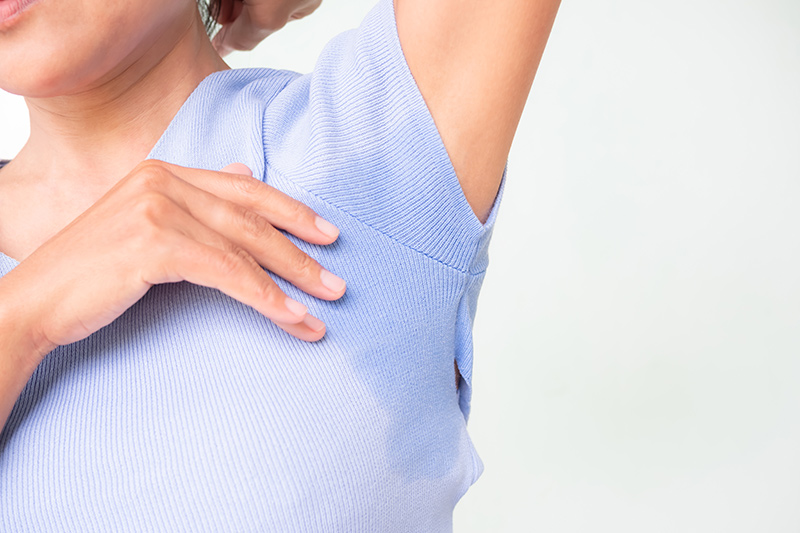

Excessive sweating is more than an inconvenience for many people. It can affect confidence, interfere with work and social interactions, and make everyday tasks uncomfortable. While occasional sweating is a normal response to heat, exercise or stress, persistent or unexplained sweating may indicate a condition that could benefit from specialist assessment. Understanding when excessive sweating warrants medical attention can help you seek timely diagnosis and explore treatment options which might address the underlying cause.
What Symptoms Suggest Excessive Sweating May Need Medical Attention?
Certain patterns of excessive sweating or associated symptoms may indicate the need for a medical assessment. This is particularly true if excessive sweating of the palms or underarms begins to disrupt your daily routine. A dermatologist may be able to determine whether it is primary hyperhidrosis or related to another underlying condition.
Sweating Occurs Even Without Heat or Exercise
Sweating that happens even when you are resting, in a cool environment or not exercising may be a sign that the body's sweat glands are overactive due to increased stimulation of the sympathetic nervous system. Unlike normal sweating, these episodes are often unpredictable and may occur regardless of the surrounding temperature or your activity level.
Sweating Interferes with Daily Activities
Excessive sweating that makes it difficult to hold objects, use electronic devices, shake hands or wear certain clothing may begin to affect everyday life. Some people also find themselves avoiding social situations or changing their routines because of persistent sweating, which can have a significant impact on confidence and wellbeing.
The Sweating Is Localised and Persistent
Primary hyperhidrosis commonly affects specific areas such as the palms, soles, underarms or face. If sweating consistently occurs in the same areas over several months without an obvious trigger, it is worth discussing with a dermatologist to determine whether further assessment or treatment is appropriate.
Skin Problems Develop Alongside Sweating
Constant moisture on the skin can increase the risk of irritation and other skin problems. You may notice redness, itching, skin breakdown or recurrent fungal or bacterial infections in areas that remain persistently damp. Managing the root cause of the sweating may help reduce these complications.
Sweating Begins Suddenly or Changes Significantly
A sudden increase in sweating, particularly if it starts later in adulthood or differs noticeably from your usual pattern, should not be ignored. Although excessive sweating is not always caused by a serious condition, a significant change may require medical assessment to identify possible causes.
Sweating Is Accompanied by Other Unexplained Symptoms
Excessive sweating that occurs together with symptoms such as unexplained weight loss, persistent fever, chest pain, shortness of breath or a rapid heartbeat may indicate an underlying medical condition rather than primary hyperhidrosis. These symptoms should be assessed promptly by a healthcare professional to determine the cause and whether further investigation is needed.
When Can Excessive Sweating Be a Sign of an Underlying Condition?
Although many people with excessive sweating have primary hyperhidrosis, where overactive sweat glands are the main cause, sweating can sometimes develop as a symptom of another medical condition. This is known as secondary hyperhidrosis and often has a different pattern of presentation. Identifying the underlying cause is important, as treatment may involve addressing the medical condition rather than focusing solely on controlling sweating.
Sweating Affects Large Areas of the Body
Primary hyperhidrosis typically affects specific areas such as the palms, soles, underarms or face. In contrast, sweating that involves most or all of the body is more likely to be associated with an existing medical condition and should be evaluated by a healthcare professional.
Night Sweats Occur Regularly
Waking up with clothing or bedding soaked in sweat is different from feeling warm during sleep. Persistent night sweats, particularly when they occur repeatedly without an obvious cause such as a hot sleeping environment, may warrant further medical assessment to identify potential causes.
Symptoms Suggest a Hormonal or Metabolic Disorder
Excessive sweating may occur alongside hormonal or metabolic conditions such as an overactive thyroid or diabetes. If sweating is accompanied by symptoms including unexplained weight changes, tremors, palpitations, increased thirst or frequent urination, further evaluation may be recommended to determine whether a secondary disorder is contributing to the symptoms.
A Medication May Be Contributing to the Sweating
Some prescription medications can increase sweating as a side effect. Examples include certain antidepressants, pain medications and medications used to manage diabetes or hormonal conditions. If excessive sweating begins after starting a new medication, it is worth discussing this with your prescribing doctor before making any changes to your treatment.
Sweating Is Associated with Other Concerning Symptoms
Excessive sweating accompanied by symptoms such as persistent fever, unexplained weight loss, chest pain, shortness of breath or ongoing fatigue should be evaluated. While these symptoms are not specific to excessive sweating, they may indicate an underlying medical condition that requires further investigation and appropriate management.
How Can a Dermatologist Help Diagnose and Manage Excessive Sweating?
A dermatologist can determine whether excessive sweating is caused by primary hyperhidrosis or whether further assessment is needed. The consultation typically involves evaluating your symptoms, identifying the areas affected and recommending a treatment plan based on the severity of your sweating and its impact on your daily life.
Reviewing Your Symptoms and Medical History
Your dermatologist will ask about when the sweating began, which parts of the body are affected and whether symptoms occur during specific situations or throughout the day. They may also ask about your family history, current medications and any accompanying symptoms to help distinguish primary hyperhidrosis from secondary causes.
Performing a Skin and Physical Examination
A physical examination helps assess the pattern and severity of sweating while checking for skin changes such as irritation, infection or thickened skin caused by prolonged moisture. Depending on your symptoms, your dermatologist may also look for signs that suggest an underlying medical condition requiring further evaluation.
Recommending Further Tests When Appropriate
Most cases of primary hyperhidrosis can be diagnosed based on your medical history and examination alone. However, if your sweating is widespread, begins suddenly or is associated with other symptoms, your dermatologist may recommend blood tests or refer you to another specialist to investigate possible hormonal, metabolic or other medical causes.
Developing an Individualised Treatment Plan
Treatment is tailored to the location and severity of your sweating, as well as your treatment goals. Depending on the areas affected, treatment options may include prescription anti-perspirants, oral medications, anti-sweat injections (botulinum toxin) to temporarily reduce sweat gland activity, or miraDry, a non-surgical treatment that uses controlled thermal energy to permanently reduce underarm sweat glands. Your dermatologist will explain which treatment is most appropriate based on your symptoms, lifestyle and treatment goals.
Personalised Treatment for Hyperhidrosis with Dr Wong Su-Ni
While occasional sweating is a normal part of regulating body temperature, excessive sweating that persists, disrupts daily activities or occurs alongside other concerning symptoms should not be overlooked. Early assessment can help determine whether your symptoms are due to primary hyperhidrosis or an underlying medical condition, allowing appropriate treatment to be started sooner.
At Dr SN Wong Skin, Hair, Nails & Laser Specialist Clinic, we provide comprehensive assessment and personalised treatment for excessive sweating based on your symptoms, medical history and lifestyle. Senior Consultant Dermatologist Dr Wong Su-Ni will work with you to identify the cause of your sweating and recommend evidence-based treatment options tailored to your individual needs.
If excessive sweating is affecting your comfort, confidence or quality of life, book an appointment with our team to discuss your treatment options.
Frequently Asked Questions About Specialist Care for Excessive Sweating
How should I prepare for my first appointment about excessive sweating?
Before your appointment, it can be helpful to note which parts of your body are affected, how often sweating occurs, whether there are any triggers and how it impacts your daily activities. Bringing a list of your current medications and any previous treatments you have tried can also help your dermatologist make a more accurate assessment.
If treatment works, will excessive sweating come back?
The duration of symptom control depends on the underlying cause and the treatment used. Some treatments provide long-lasting relief, while others may need to be repeated periodically to maintain their effect. Your dermatologist can advise on what to expect and recommend follow-up care if your symptoms change over time.
Can children and teenagers be treated for excessive sweating?
Excessive sweating can affect children and adolescents, particularly when it begins during the school years. If sweating causes embarrassment, affects school activities or interferes with sports and social interactions, a dermatologist can assess the symptoms and recommend age-appropriate management options based on the individual's needs.