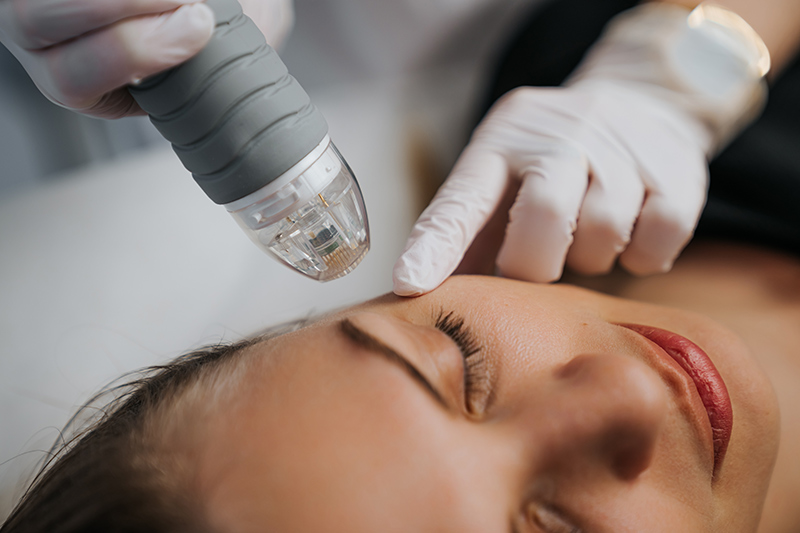

Unlike medical dermatology which treats skin conditions that cause discomfort to the skin and affect the health of the skin; cosmetic dermatology works to enhance the appearance of the skin, even if the skin is otherwise healthy and comfortable.
Common conditions that cosmetic dermatology treats include pigmentation (e.g. freckles and acne scars), skin laxity, excessive sweating, unwanted hair and much more.
An experienced cosmetic dermatologist in Singapore, Dr Wong Su-Ni tailors each treatment plan to suit each patient, using only modern, safe and effective equipment and techniques (surgical and non-surgical alike) for optimal results.
What Is Cosmetic Dermatology?
Overview of Medical Dermatology
Cosmetic dermatology focuses on improving the appearance and overall quality of the skin through non-surgical and minimally invasive treatments. It includes procedures designed to address concerns such as acne scars, pigmentation, fine lines, wrinkles, uneven skin texture, enlarged pores, and skin laxity. Common cosmetic dermatology treatments may involve lasers, injectables, chemical peels, skin rejuvenation procedures, and medical-grade skincare tailored to individual skin concerns and goals.
Who Are Medical Dermatologists?
Cosmetic dermatologists are medically trained skin specialists who diagnose and manage skin conditions while also providing aesthetic treatments to improve skin appearance and health. They combine medical knowledge of skin structure and function with expertise in cosmetic procedures to develop personalised treatment plans for different skin types and concerns. Cosmetic dermatologists may perform treatments aimed at skin rejuvenation, anti-ageing, pigmentation management, scar reduction, and overall skin enhancement while prioritising safety and natural-looking results.
Cosmetic Dermatological Conditions That We Frequently Treat Include:
- Age Spots: Flat brown or dark patches on the skin caused by prolonged sun exposure and ageing.
- Birthmarks: Coloured marks or patches on the skin present at birth or developing shortly after birth.
- Cellulite: Dimpled or uneven skin appearance caused by fat deposits beneath the skin surface.
- Deep Groove Lines: Prominent facial folds or creases that develop with ageing and loss of skin volume.
- Freckles: Small brown spots on the skin commonly triggered by sun exposure and genetics.
- Frown Lines & Smile Lines: Facial wrinkles that form from repeated facial expressions and natural ageing.
- Jaw Reduction: Treatments aimed at creating a slimmer and more contoured jawline appearance.
- Lumps & Bumps (Skin Growths): Raised skin lesions or growths that may vary in size, texture, and cause.
- Moles for Removal: Benign skin growths that may be removed for cosmetic or medical reasons.
- Pigmentation: Uneven skin colouring caused by excess melanin production or skin inflammation.
- Skin Laxity: Loosening or sagging of the skin due to ageing and reduced collagen support.
- Spider Veins: Small visible red, blue, or purple veins commonly seen on the face or legs.
- Sunken Cheeks, Hollowed Temples: Facial volume loss that creates a hollow or tired appearance.
- Sweaty Palms / Underarms: Excessive sweating that affects the hands or underarm areas beyond normal perspiration.
- Tattoo for Removal: Unwanted tattoos that may be lightened or removed using specialised treatments.
- Under-eye Creases: Fine lines or folds beneath the eyes associated with ageing and skin thinning.
- Unwanted Hair: Excess or unwanted hair growth on different areas of the face or body.

What Factors Should You Consider When Choosing a Dermatologist?
Here are some things a patient should consider when selecting the right Singapore dermatologist:
- Consider the Dermatologist's Experience and Specialisation - A dermatologist who has extensive experience is likely to achieve a better treatment outcome.
- Referrals, Reviews and Satisfaction Surveys - Ask your family, friends or a primary care provider to recommend a dermatologist or check online reviews about a certain doctor and their services.
- Consultation and Communication - During your consultation, the dermatologist should understand your concerns and clearly explain possible diagnoses, treatment options, and associated risks and benefits.