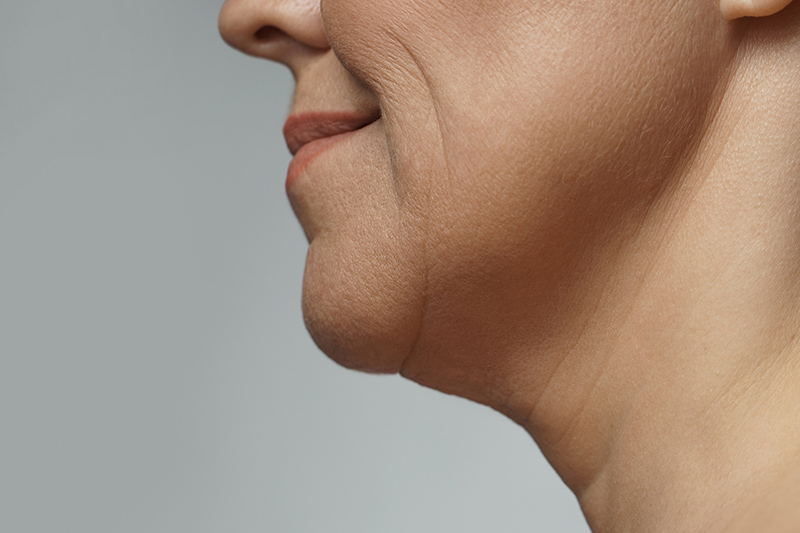

As we age, the gradual loss of collagen and elastin can lead to skin laxity, resulting in sagging skin around the brows, jawline, neck, and upper chest. For individuals seeking a non-surgical solution to address these concerns, Ultherapy has emerged as a popular treatment option that can help lift and tighten the skin with minimal downtime.
Ultherapy is an FDA-cleared non-invasive aesthetic procedure that uses focused ultrasound energy to target the deeper layers of the skin, stimulating the body's natural collagen production process. Unlike treatments that work primarily on the skin's surface, Ultherapy delivers energy at precise depths to encourage gradual tissue tightening and rejuvenation over time, resulting in natural-looking improvements. If you are considering Ultherapy, understanding what happens before, during, and after the procedure can help you feel more prepared and confident about your treatment journey.
Preparing for Your Ultherapy Treatment
Before undergoing an Ultherapy session, you will attend an initial consultation where your dermatologist will assess your medical history and skin concerns, discuss your aesthetic goals, and determine whether the treatment is suitable for you. During this assessment, factors such as the degree of skin laxity, treatment areas, and overall skin condition will be evaluated to develop a personalised Ultherapy treatment plan to address visible signs of ageing. Your dermatologist will also explain the expected outcomes, treatment process, and timeline for results, ensuring you have a clear understanding of what to expect.
Prior to your Ultherapy session, you should inform your dermatologist of any medications, allergies or medical conditions that could affect the procedure and you may be advised to follow certain pre-treatment instructions. Proper preparation helps ensure a smooth treatment experience and supports optimal results.
Pre-treatment instructions include:
- Avoid excessive sun exposure or tanning
- Skip harsh skin treatments and certain skin care products (e.g. retinol)
- Maintain a balanced diet and healthy lifestyle habits that support overall skin health
- Keep the treatment area free of makeup, creams, lotions, and sunscreen on the day of treatment

What Happens During an Ultherapy Treatment?
During an Ultherapy session, your dermatologist will carefully deliver focused ultrasound energy to targeted areas of the skin to stimulate collagen production and encourage gradual lifting and skin tightening. While the exact treatment experience may vary depending on the areas being treated, patients can generally expect the following during Ultherapy:
Skin Cleansing and Preparation:
The treatment area will be cleansed thoroughly, and an ultrasound gel will be applied to facilitate the delivery of ultrasound energy.
Ultrasound Imaging:
Using real-time ultrasound imaging, the dermatologist can visualise the underlying tissue layers and precisely target the areas where treatment will be most beneficial.
Energy Delivery:
Using a handheld device, the dermatologist will deliver focused ultrasound energy at specific depths beneath the skin's surface.
An Ultherapy session typically takes between 30 and 90 minutes, depending on the size and number of treatment areas. As comfort levels vary, patients may experience brief sensations of warmth, tingling, or mild discomfort during treatment as the ultrasound energy is delivered, indicating that the treatment is reaching the targeted tissue layers. Be sure to inform your dermatologist if you experience any pain or discomfort during treatment. To enhance comfort throughout the procedure, your dermatologist may adjust treatment settings or discuss suitable comfort measures, which may include pain relief medication where appropriate.
What to Expect After Your Ultherapy Treatment
Following an Ultherapy session, most patients can return to their normal daily activities with little to no downtime. As the treatment's effects develop gradually over time, patients can generally expect the following after Ultherapy:
Immediate Post-Treatment Experience:
The treated area may appear slightly flushed or feel warm immediately after the procedure, but these effects typically subside within a few hours.
Minimal Downtime:
As Ultherapy is a non-invasive treatment and does not involve incisions or injections, most patients can resume work, social activities, and their usual skincare routine shortly after their session.
Potential Side Effects:
Some patients may experience mild redness, swelling, tenderness, tingling, or sensitivity in the treated areas. These effects are usually temporary and resolve on their own within a few days.
Gradual Collagen Stimulation:
Unlike treatments that show immediate changes, Ultherapy relies on the body's natural healing response to generate new collagen, meaning results appear progressively over time.
Timeline for Visible Results:
Some patients may notice subtle improvements within a few weeks, but the full effects of Ultherapy typically become more apparent over two to three months, with continued improvement possible for up to six months after treatment.
Long-Lasting Outcomes:
Results may last for one year or longer, depending on factors such as age, skin condition, lifestyle factors, and the natural ageing process. Although the effects are long-lasting, they are not permanent. Your dermatologist can advise whether follow-up treatments may be beneficial to help sustain the results.
By understanding what to expect after Ultherapy, patients can approach their recovery with realistic expectations and appreciate the gradual skin tightening and lifting effects that develop as collagen production increases.
Achieve Natural Skin Tightening with Ultherapy by Dr Wong Su-Ni
Ultherapy provides a non-surgical option for lifting and firming the skin by stimulating collagen production. From the initial assessment and customised treatment planning to the procedure and the gradual development of results, understanding what to expect at each stage can help you feel informed and confident throughout your treatment journey. Although outcomes differ between individuals, many patients choose Ultherapy for its ability to achieve subtle and naturalistic enhancements with minimal downtime.
At Dr SN Wong Skin, Hair, Nails & Laser Specialist Clinic, our senior consultant dermatologist, Dr Wong Su-Ni, can assess your skin condition, discuss your aesthetic goals, and develop a personalised treatment plan tailored to your needs. Book an appointment and take the first step towards firmer, more youthful-looking skin.
FAQs About Having an Ultherapy Session
What to avoid after an Ultherapy session?
After an Ultherapy session, it is important to care for your skin properly to support the healing process and maintain skin comfort. Keep your skin well-hydrated by using a suitable moisturiser and follow a gentle skincare routine, avoiding harsh or potentially irritating products. Apply sunscreen daily and minimise excessive sun exposure to protect the treated skin. While most patients can resume their normal activities immediately, it is generally advisable to avoid intense exercise for the first 24 hours and refrain from heat-based activities such as saunas, steam rooms, and hot baths for a few days following treatment.
Can I wear makeup immediately after an Ultherapy session?
In most cases, patients can apply makeup shortly after their Ultherapy session, provided there is no significant skin irritation. However, it is best to follow the post-treatment instructions given by your dermatologist regarding skincare products and makeup application.
Will I require multiple Ultherapy sessions to achieve my desired results?
Many patients achieve satisfactory results after a single Ultherapy treatment. However, the number of sessions required depends on factors such as the degree of skin laxity, treatment area, age, and individual treatment goals. Your dermatologist can advise whether additional sessions may be beneficial.
Is there an ideal age to start Ultherapy?
There is no specific age requirement for Ultherapy. The treatment is generally most suitable for individuals with mild to moderate skin laxity who wish to address early signs of ageing or maintain skin firmness before more noticeable sagging develops.