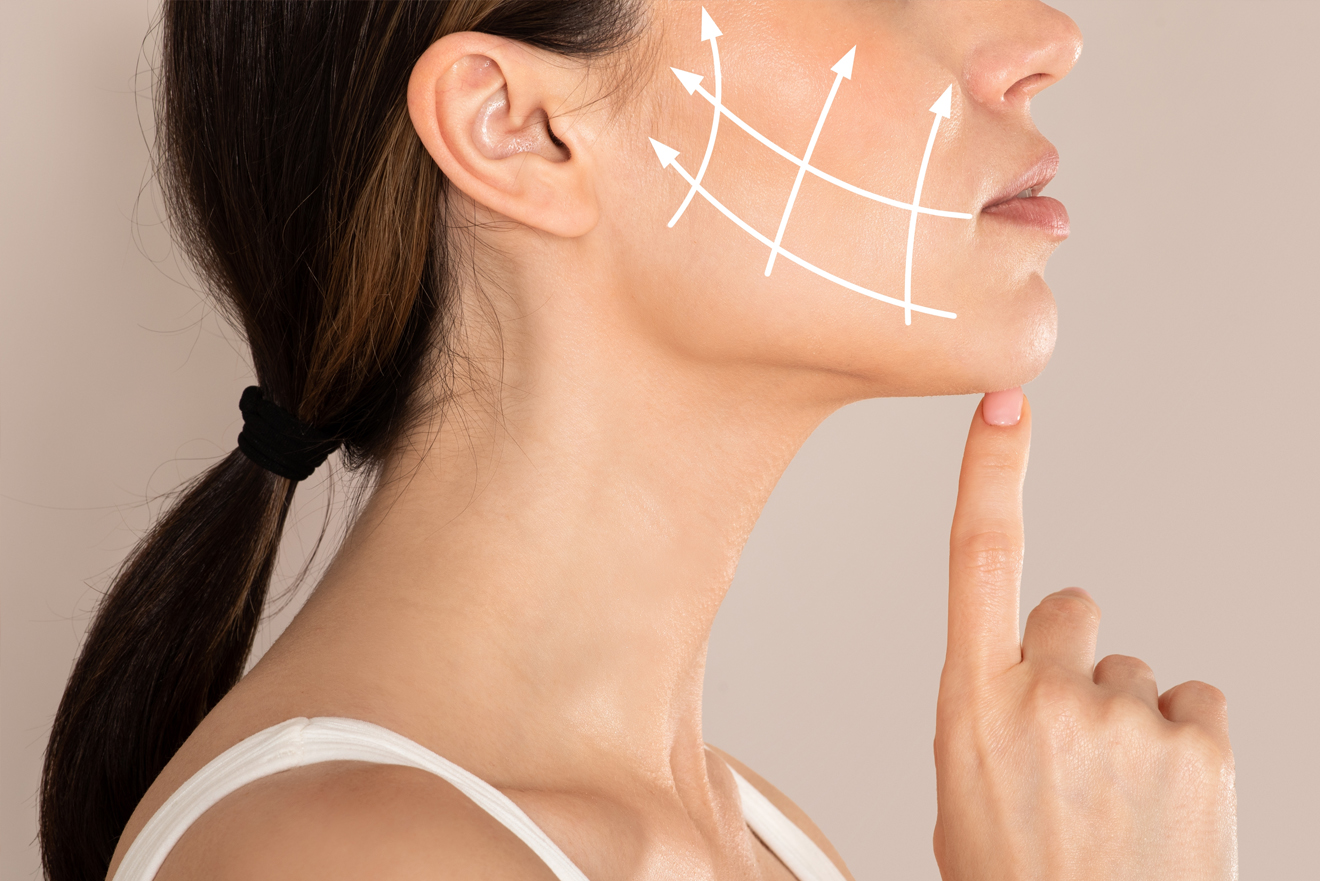

A loss in skin tightness rarely happens overnight. For most people, these changes take the form of small, nearly unnoticeable shifts that build up as they get older. Their jawline may look less defined, their cheeks could feel softer or the skin around the neck could begin to sag slightly. These effects are often linked to declining collagen, and while they are a natural part of ageing, it can still feel frustrating when your reflection no longer matches how you feel.
Dermatologists are able to offer a range of treatments designed to address these concerns, especially for those who want to tighten their skin without invasive procedures. Many of these methods focus on supporting the skin's natural ability to rebuild collagen, helping to restore tightness over time.
Ultherapy is one such method that aids in skin tightening, making it a worthwhile consideration for those who are noticing early signs of laxity.
What Is Ultherapy and How Does It Work?
Ultherapy is a non-invasive treatment that helps tighten and lift the skin by using focused ultrasound energy. Instead of working on the surface like creams or facials, it targets the deeper layers of the skin where collagen and elastin are produced. This is important because these substances are what keep skin firm and supported.
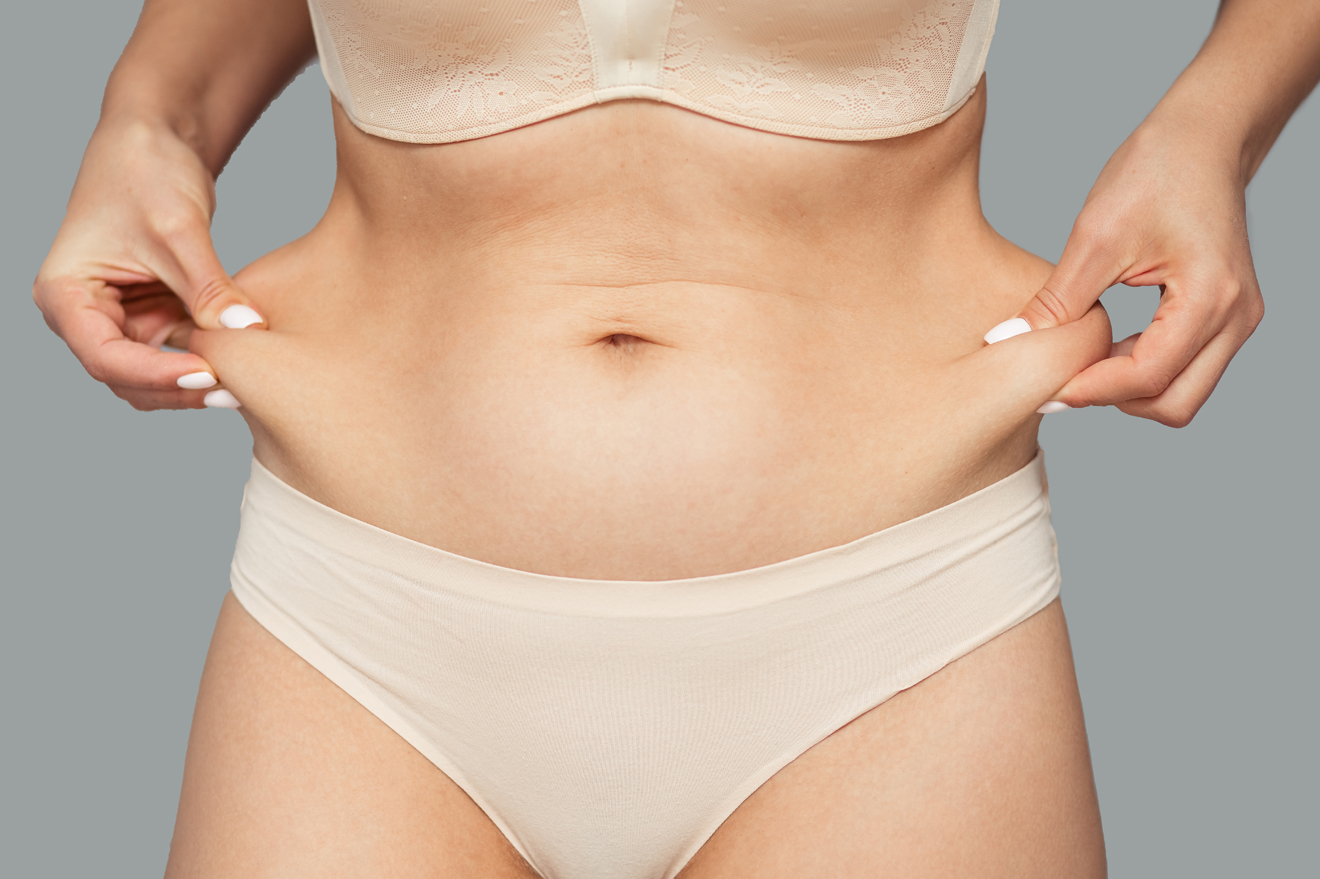
It is commonly used on areas like the lower face, jawline, stomach and neck, where early sagging tends to show up. Rather than creating an instant change, Ultherapy works by encouraging your skin to gradually rebuild collagen. Over time, this can lead to a firmer and slightly lifted appearance that still looks natural.
During Ultherapy procedures, doctors are able to see the layers beneath the skin in real time using built-in ultrasound imaging. This means they can clearly identify the exact tissues they are targeting throughout the treatment and make adjustments based on your skin's condition. With this level of visibility, ultrasound energy can be delivered more precisely and consistently, helping to ensure that collagen stimulation and overall results are optimised.
What Skin Concerns Can Ultherapy Address?
Ultherapy is typically considered when the skin is starting to lose firmness but still retains enough structure to respond to collagen stimulation. It is most suited for concerns that are visible but not yet severe.
Mild-to-Moderate Skin Laxity
This refers to early stages of skin loosening, where the skin no longer feels as firm but has not significantly sagged. At this stage, collagen stimulation is generally more effective as the skin can likely still respond well and produce collagen if the right treatment is performed.
Ultherapy works by delivering ultrasound energy to deeper support layers, helping to stimulate new collagen and gradually tighten the skin. This can restore a firmer, more supported appearance, especially when there is still enough natural elasticity present.
Sagging Along the Jawline or Lower Face
Loss of definition along the jawline often happens when the underlying support weakens and soft tissue begins to descend. Ultherapy targets the foundational layers beneath the skin, helping to lift and tighten this area over time. This can improve contour and reduce the appearance of heaviness along the lower face.
Drooping Brows or Eyelids
As collagen declines, the skin around the brow can start to descend, creating a tired or heavy appearance. Ultherapy can be used to stimulate tightening in the upper face, which may result in a subtle lifting effect of the brows. This helps open up the eye area without the need for more invasive procedures such as eyelid surgery.
Loose Skin on the Neck
The skin on the neck is thinner and more prone to early laxity, often appearing as mild sagging or crepiness. Ultherapy works by targeting deeper tissue layers in this area, helping to tighten and improve skin support. Over time, this can lead to a smoother and more refined neck profile.
Fine Lines Caused by Collagen Loss
Fine lines often form as the skin becomes thinner and less supported. While Ultherapy is not primarily a wrinkle treatment, the increase in collagen production can improve overall skin firmness. This added support can help soften the appearance of fine lines as the skin regains its structure.
When Is Ultherapy Most Effective?
Ultherapy tends to deliver better results when it is performed in the early stages of skin ageing, where collagen stimulation can still create visible lifting and tightening. Its effectiveness decreases once the skin is significantly stretched or less capable of producing collagen, even with restorative treatment.
Ultherapy is most effective when:
When Skin Laxity Is Still Mild to Moderate
When the skin has not significantly stretched or sagged, collagen stimulation can more effectively restore firmness. Ultherapy works best when it can reinforce existing structure rather than attempt to correct more advanced laxity.
When Used as a Preventive Treatment to Slow Visible Ageing
Ultherapy can be used in the early stages of skin loosening to maintain collagen levels and slow the progression of wrinkling. By stimulating collagen before significant sagging develops, it helps preserve skin firmness over time.
When Used for Maintenance After Other Aesthetic Procedures
Ultherapy can work alongside other skin treatments that improve contour or volume. Ultherapy can help maintain results by continuing to support the skin's structural integrity through ongoing collagen stimulation, which helps prevent early relapse of laxity.
Who Is Ultherapy Suitable For?
Ultherapy is generally suited for people who are beginning to notice changes in skin firmness and are looking for a non-invasive way to manage them. This includes people who have:
- Early-stage skin loosening: Ultherapy is appropriate for people who are starting to see slight sagging, such as a softer jawline or mild drooping, as there is still enough underlying structure to respond well to collagen stimulation
- Preference for non-invasive treatments: Ultherapy is appropriate for patients looking for visible improvement without surgery, injections or extended downtime.
- A desire for gradual, natural-looking results: Ultherapy can benefit people who are open to subtle improvements that develop over time rather than immediate, dramatic changes
- Realistic expectations: People who understand that results take time to develop and can vary depending on individual skin characteristics
Why a Personalised Assessment Matters Before Ultherapy
Skin loosening is a gradual process, but the way it develops can differ significantly from person to person. Factors such as skin thickness, collagen levels and the extent of laxity all influence how well Ultherapy will work. Because of this, timing and treatment approach play an important role in achieving meaningful results.
A personalised assessment helps determine whether the skin is still at a stage where collagen stimulation alone can produce visible tightening, or if other treatments may be needed to support the outcome. It also allows your doctor to identify the exact areas and depths that should be targeted for more precise and effective treatment.
At Dr SN Wong Skin, Hair, Nails & Laser Specialist Clinic, each treatment plan is tailored based on individual skin characteristics rather than a one-size-fits-all approach. Under the care of Dr Wong Su-Ni, our senior consultant dermatologist, patients receive a thorough evaluation to ensure that Ultherapy is used appropriately or combined with other methods where necessary for better overall results.
If you are noticing early signs of skin loosening, contact our clinic today to arrange a consultation and find out whether Ultherapy is suitable for you.