



Acne varies in its type, severity and response to treatment, with some patients experiencing occasional mild breakouts while others develop persistent inflammation or lesions that carry a higher risk of scarring. These differences influence which treatments are suitable and how intensively acne needs to be managed. Dermatologists therefore need to assess each patient's condition before recommending treatment, so they can control active breakouts, prevent further scarring and address other skin concerns where appropriate.
A dermatologist will typically consider the types of acne lesions present, how persistent or severe the breakouts are and whether previous treatments have been effective. Understanding how dermatologists assess and manage acne can help you know what to expect from treatment, including why follow-up reviews and changes to the treatment plan may be necessary.
What Does a Dermatologist Look for Before Treating Acne?
The first step in acne treatment is understanding how the breakouts are presenting and how they have changed over time. Before recommending acne treatment, a dermatologist assesses the type, severity and history of the breakouts. This helps determine which treatments are suitable and whether the acne requires more intensive management.
The Type and Severity of Acne
A dermatologist examines the types of acne lesions present, their extent and the degree of inflammation. Mild acne involving clogged pores or small pimples generally requires a different approach from severe acne involving deep, painful lesions that carry a higher risk of scarring.
How Long the Breakouts Have Been Present
The duration and frequency of breakouts help distinguish occasional flare-ups from persistent or recurring acne. A dermatologist will ask when the acne began, how frequently it returns and whether lifestyle changes appear to affect the breakouts.
Previous Treatments and How the Skin Responded
A dermatologist may consider whether previous treatment produced meaningful improvement, caused irritation or was used long enough to assess its effect. This can help them avoid repeating an approach that has already proved unsuitable.
The Risk of Marks or Acne Scarring
A dermatologist checks for existing acne scars, persistent post-acne marks and deep inflammatory lesions that are more likely to cause scarring. Identifying these concerns helps the dermatologist prioritise early control of active acne to prevent further skin damage and reduce the risk of permanent scars.
How Do Dermatologists Treat Active Acne?
Once acne has been assessed, treatment can be matched to the level of control the skin needs. The approach may start relatively simply or become more intensive when breakouts are widespread, persistent or difficult to control.
Topical Treatments for Mild to Moderate Acne
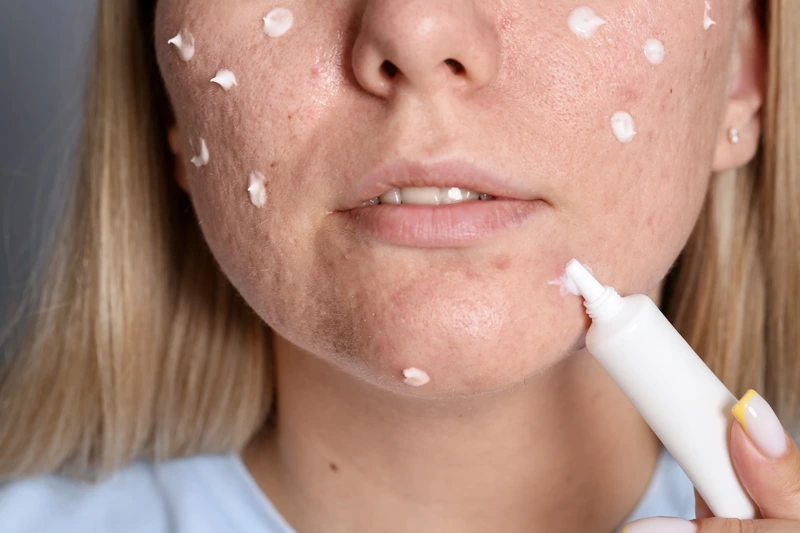
Topical treatments are often used when acne can be managed directly at the skin. Depending on the breakout pattern, a dermatologist may prescribe ingredients such as topical retinoids or benzoyl peroxide to help keep pores clear and reduce inflammation. The choice may also take skin sensitivity and tolerability into account.
Oral Medications for Persistent or More Severe Acne
Dermatologists may prescribe oral medications for widespread, persistent or more severe acne that requires additional treatment. Options include oral antibiotics for inflammatory acne and hormonal treatments for suitable patients whose breakouts are influenced by hormonal factors.
In-Clinic Procedures to Support Acne Treatment
Medication is not the only way active acne may be managed. In suitable cases, a dermatologist may recommend procedures such as chemical peels or selected light- and laser-based treatments to complement the overall treatment plan. Their role will depend on what the procedure is intended to address and whether it is appropriate for the patient's skin.
Combination Treatments for Better Acne Control
Dermatologists do not always rely on one treatment at a time. Combining treatments that work in different ways can address more than one process involved in acne while allowing the plan to be tailored to the individual. The combination used can then be refined according to how the skin responds.
How Is Acne Treatment Adjusted Over Time?
As acne treatment progresses, dermatologists will often carry out reviews to assess effectiveness, identify side effects and determine whether changes are needed. Follow-up allows a dermatologist to judge whether the current approach is working well and adjust treatment according to the patient's progress and longer-term needs.
Assessing Improvement in Acne Symptoms
Acne often takes time to respond, so progress is usually judged over several weeks rather than after only a few days. A dermatologist may look at whether new breakouts are becoming less frequent and whether existing inflammation is settling before deciding if treatment is working as intended.
Changing Treatment When Improvement Is Limited
If acne has not improved sufficiently after an appropriate treatment period, a dermatologist reviews the current medications, how consistently they have been used and whether another approach is needed. This may involve changing the medication, adjusting the dosage or introducing another treatment to achieve better control.
Managing Treatment Side Effects
Acne medications can cause side effects such as dryness, irritation or skin sensitivity. If a treatment is causing a patient too much discomfort or is resulting in unacceptable side effects, it may not be practical enough to continue. A dermatologist assesses the severity of these reactions and may adjust the frequency of application, modify the treatment regimen or prescribe an alternative to improve tolerability while maintaining acne control.
Planning Maintenance Treatment
Once active acne is controlled, a dermatologist assesses whether ongoing treatment is needed to prevent recurring breakouts. Patients with a history of persistent or recurrent acne may benefit from maintenance treatment, such as a topical retinoid, to help sustain improvements and reduce the risk of future flare-ups.
When Are Acne Scars Treated?
Dermatologists generally recommend treating acne scars after active breakouts have been brought under control. This reduces the risk of new scars forming while existing scars are being treated. Before recommending treatment, a dermatologist also distinguishes between flat red or dark marks, which may fade over time, and true acne scars that cause lasting changes in skin texture.
For established scars, treatment focuses on improving their appearance based on their type, depth and severity. Depending on these findings, a dermatologist may recommend procedures such as laser resurfacing, subcision or other forms of acne scar treatment.
Take a Personalised Approach to Managing Acne
Managing acne effectively requires a treatment plan that accounts for the severity of breakouts, previous treatment results and the risk of scarring. Regular reviews also allow treatment to be adjusted as acne improves or new concerns arise, helping patients maintain better control over their condition.
At Dr SN Wong Skin, Hair, Nails & Laser Specialist Clinic, care is centred on assessing each patient's acne individually rather than relying on a fixed treatment approach. Senior Consultant Dermatologist Dr Wong Su-Ni considers how the acne is presenting, how it has responded to previous treatment and whether the plan needs to be adjusted over time to support better control. She also provides ongoing follow-up care to monitor progress, manage treatment-related concerns and determine whether further treatment for acne scarring is appropriate.
If acne is persistent, recurring or beginning to leave lasting changes in the skin, book an appointment to discuss a treatment approach suited to your needs.
Frequently Asked Questions About Dermatologist-Led Acne Treatment
Can acne on the chest or back be treated the same way as facial acne?
Acne on harder-to-reach areas can still be treated with the same medications, but it may require a different treatment approach if the medication is difficult to apply consistently or if the breakouts are widespread and severe.
Does adult acne need to be treated differently from teenage acne?
Not always. Many acne treatments are suitable for both adults and teenagers. However, dermatologists also consider factors such as hormonal influences and skin sensitivity when recommending treatment, as this may affect adults and teenagers differently.
Can I continue using my regular skincare products during acne treatment?
This depends on the specific product, and a discussion with your dermatologist is necessary before deciding whether to change or stop using specific products. Strong exfoliants, harsh cleansers and products containing potentially irritating active ingredients can worsen dryness or irritation when combined with certain acne medications.
Can another skin condition be mistaken for acne?
Yes. Some skin conditions can produce bumps or inflammation that resemble acne but require a different approach to treatment. If breakouts are behaving unusually or have not responded as expected, a dermatologist can reassess the skin to confirm whether acne is actually the underlying condition.


