

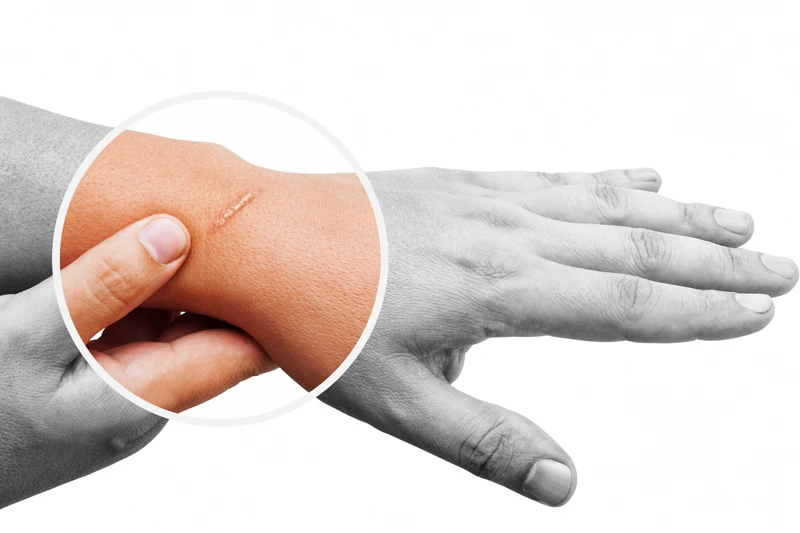

Scars can remain raised or firm for some time after an injury, and their appearance may continue to change as the skin heals. However, a scar that gradually becomes thicker or more prominent may raise concerns about abnormal scar formation. Itching or tenderness can also occur, although these symptoms alone do not confirm the diagnosis.
Distinguishing a developing keloid from other raised scars is important because their patterns of growth differ. Hypertrophic scars remain within the boundaries of the original wound and may gradually flatten, whereas keloids can extend into surrounding skin and continue growing over time. The pattern of growth, together with the scar's symptoms, can help inform whether further assessment is needed.
How Can You Recognise a Developing Keloid Scar?
A keloid develops when scar tissue grows excessively following a skin injury. Early changes may be subtle, and a raised appearance alone is not enough to identify a keloid. The scar's progression over time provides important clues.
Progressive Thickening and Firmness
A developing keloid may initially appear as a small raised area that gradually becomes thicker and firmer to the touch. Its surface may look smooth or shiny, with colour ranging from pink or red to brown or darker shades depending on skin tone.
Taking dated photographs under similar lighting conditions can help track changes in the scar's appearance. Colour changes alone are less reliable, as they can also occur during normal scar healing.
Itching or Tenderness
Itching or tenderness may persist after the original wound has closed. The scar may also feel uncomfortable when touched or exposed to pressure.
These sensations are not specific to keloids, and some developing keloids cause little or no discomfort.
Spreading Beyond the Original Wound
One of the more characteristic signs of a keloid is growth beyond the boundaries of the original injury. This may become noticeable as raised scar tissue gradually extends into previously unaffected skin.
The distinction can be harder to recognise when the original injury was small, such as an acne lesion or piercing. In these cases, the scar's history and pattern of growth can help distinguish a keloid from other types of raised scars.
When Should You Have a Changing Scar Assessed?
Not every raised scar requires treatment. Assessment becomes more relevant when changes continue after the wound has healed or symptoms begin affecting everyday life. Previous keloids and unusual skin changes may also justify evaluation.
Continued Growth After the Wound Has Healed
A scar that continues enlarging over several weeks or months may warrant assessment, particularly if there are no signs that growth is stabilising. Changes documented through dated photographs can help establish how quickly the scar is progressing and whether treatment should be considered.
Persistent Itching, Tenderness or Discomfort
Itching or tenderness that persists or worsens may justify assessment, even when the scar is relatively small. Discomfort that interrupts sleep or makes everyday activities difficult is another reason to seek advice.
Restricted Movement or Daily Activities
Scars near joints may cause tightness that makes movement uncomfortable. Those exposed to repeated friction from clothing may also become irritated.
If the scar is affecting movement or comfort, assessment can help determine whether treatment may improve these difficulties.
Previous or Recurrent Keloids
A history of keloids increases the likelihood of developing another after skin injury. A new scar that begins following a similar pattern may therefore warrant earlier assessment.
Previous treatment outcomes can also inform the management of a developing keloid.
Uncertain or Unusual Scar Changes
A raised lump without a clear history of skin injury should not automatically be assumed to be a keloid. Unexplained bleeding or ulceration also warrants medical assessment because other skin conditions can resemble abnormal scar tissue.
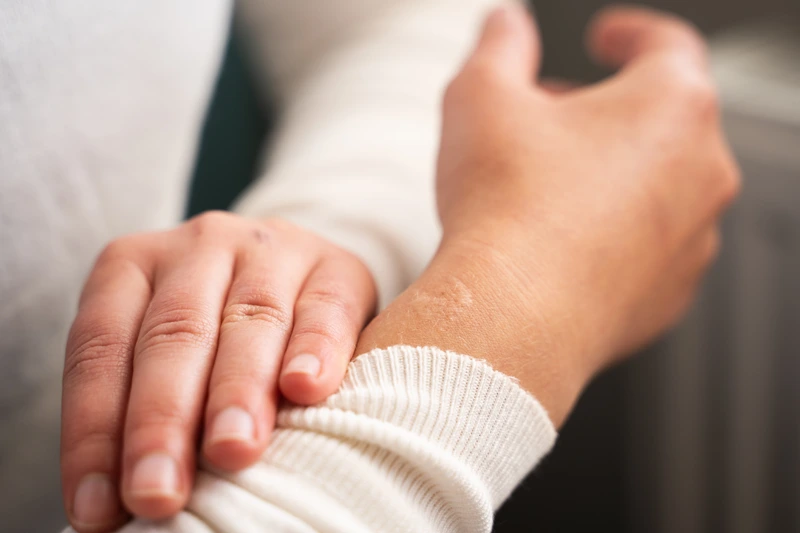
How Can Early Keloid Treatment Help?
Treating a developing keloid may help reduce its thickness and relieve discomfort before further enlargement makes management more challenging. The potential benefit depends on the scar's characteristics, and improvement is not guaranteed. Some keloids remain visible despite treatment, and recurrence is possible.
Choosing the Right Initial Treatment
Treatment selection depends on the scar's characteristics and whether it is continuing to grow.
Silicone gel or sheets may be considered once the skin has fully healed, particularly for newer raised scars. For established or enlarging keloids, intralesional corticosteroid injections may help flatten the scar and relieve associated symptoms.
Other options, such as cryotherapy or selected laser treatments, may be considered where appropriate. Combination treatment may be needed if the response to an initial approach is insufficient.
Monitoring How the Keloid Responds
Keloid treatment may require repeated sessions, particularly when injections are used. Follow-up helps assess changes in growth and symptoms while monitoring for possible side effects.
For example, corticosteroid injections can sometimes cause skin thinning or pigmentation changes. If the scar responds inadequately or begins enlarging again, the treatment approach may need to be adjusted.
Have a Changing Scar Assessed by Dr Wong Su-Ni
A scar that continues developing after the wound has healed may require closer evaluation, particularly if it is becoming uncomfortable. Confirming whether the scar is a keloid helps determine whether treatment is appropriate.
Dr SN Wong Skin, Hair, Nails & Laser Specialist Clinic provides assessment and treatment for keloid scars. Management may involve monitoring, scar-directed treatments or a combination of approaches depending on the clinical findings. Book a consultation to discuss your concerns and the treatment options that may be suitable for your scar.
FAQs About Keloid Scars
How quickly can a keloid start to develop?
Keloids may begin forming weeks or months after a skin injury, although some appear later. They can develop following acne, piercings, surgery or relatively minor skin injuries. Their growth may continue for months or longer, so a scar's development over time is often more informative than when it first became raised.
Can a keloid come back after treatment?
Yes. Keloids can recur even after they have flattened or responded well to treatment. The likelihood of recurrence varies according to the scar and treatment approach. If the treated area becomes raised again, further treatment may be considered depending on the extent of recurrence.
What happens if a keloid is left untreated?
Some keloids remain relatively stable, whereas others continue enlarging or causing discomfort. They do not typically disappear on their own, although their appearance and symptoms may change over time. Treatment is not always necessary, particularly when a keloid is stable and causes no significant concerns.
Should you avoid piercings or tattoos if you have had a keloid?
A history of keloids increases the risk of developing another after skin injury, including piercings or tattoos. Avoiding elective skin injury is generally advisable if you are prone to keloids, particularly at sites where they have developed previously. Discussing your individual risk with a dermatologist can help you make an informed decision.


