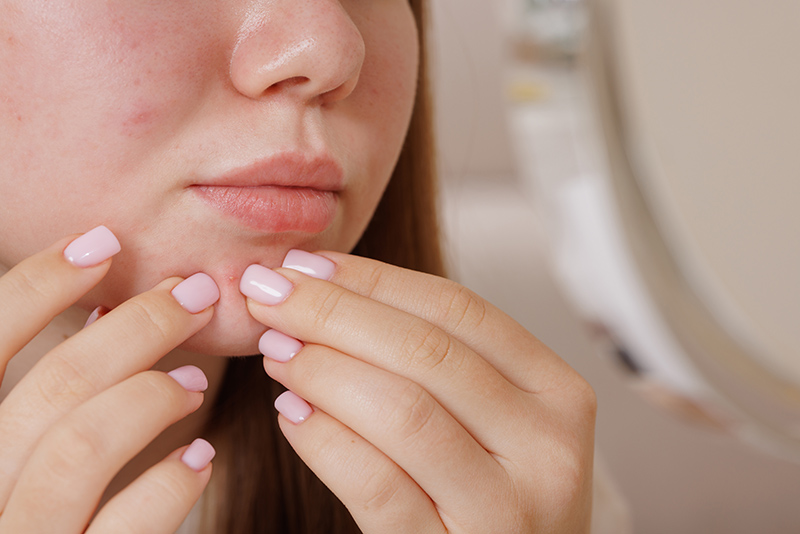

Even small disruptions to everyday habits can sometimes trigger visible changes in the skin. Many people notice sudden breakouts or skin irritation shortly after making a change in their lifestyle. It might happen after a few nights of poor sleep, a stressful exam period or after a shift in meal habits.
Oftentimes, these issues are caused by the disruption of your regular routine. Understanding the common triggers for changes in skin health can help you recognise potential causes and take steps to maintain a more stable, balanced complexion.
Why Is Your Skin Health Sensitive to Lifestyle Changes?
As the outermost layer of your body, your skin is constantly serving as a protective barrier against the outside environment. This makes it highly responsive to changes occurring both internally and externally.
Lifestyle factors can influence processes within the body that directly affect the skin. Hormonal fluctuations, increased stress levels and changes in environmental exposure may disrupt the skin's natural barrier or trigger inflammation. These shifts can alter oil production, slow skin repair or make the skin more reactive.
As skin health depends on so many of these interconnected factors, even small lifestyle changes can sometimes lead to noticeable differences in how the skin looks and feels.
Changes in Diet and Hydration
Diet plays an important role in maintaining skin health. Sudden changes in eating habits, such as consuming more sugar, processed foods or caffeinated drinks, can influence how the skin behaves. Diets high in sugar and refined carbohydrates may also contribute to inflammation and increased oil production, which can make breakouts more likely in some individuals.
Adequate hydration supports the skin's elasticity and barrier function. Water helps maintain skin moisture levels and supports the natural protective barrier that prevents excessive water loss. When hydration is reduced, the skin may become more prone to dryness, irritation and sensitivity.
One common example of this is excessive caffeine consumption. Many people get into the habit of replacing water with cups of coffee throughout the workday, and end up mildly dehydrated. When the body does not receive sufficient fluids, the skin may appear dull or feel tighter than usual.
Changes in Sleep Patterns
Sleep is an important period for the body's repair and recovery processes, including those that affect the skin. During sleep, cellular repair and regeneration take place as the body works to restore damaged tissues and maintain healthy skin function.
When sleep is disrupted or insufficient, these restorative processes may not occur as effectively. Reduced sleep can interfere with collagen production and slow the skin's ability to repair itself. Over time, this may contribute to dullness, reduced skin elasticity and a greater likelihood of breakouts.
In addition, sleep deprivation may increase stress hormones in the body, which can further affect skin balance and trigger inflammation in some individuals.
Changes in Work or Stress Levels
When the body experiences stress, it releases hormones such as cortisol as part of its natural response. Elevated cortisol levels can stimulate oil production in the skin, which may contribute to clogged pores and acne breakouts. Stress can also disrupt the skin's barrier function and increase inflammation, making the skin more reactive than usual.
For individuals with underlying skin conditions, stress may trigger flare-ups. Conditions such as acne, eczema and sensitive skin can worsen during stressful periods, which is why some people notice sudden skin changes during busy or demanding phases of life.
Exposure to Sunlight
Changes in your daily routine can also affect how much sunlight the skin receives. Both increased and decreased sun exposure can cause a shift in your skin condition.
If your daily outdoor activity is suddenly replaced with indoor screen use, you may be increasingly exposed to blue light from digital devices. While research on blue light and skin is still evolving, some studies suggest that prolonged exposure may contribute to pigmentation changes or oxidative stress in the skin.
On the other hand, increased exposure to ultraviolet (UV) radiation can damage the skin by breaking down collagen and triggering pigmentation changes. If you find yourself spending more time outdoors in the hot sun, you may want to apply sunscreen to protect your skin from sun-related damage.
Altered Skincare Habits
During busy or stressful periods, people may rush through their routines, skip cleansing steps or forget to apply moisturiser or sunscreen. These small changes can gradually affect the skin's balance.
Incomplete cleansing may allow oil, dirt and makeup to accumulate on the skin, increasing the likelihood of clogged pores and breakouts. Skipping moisturising steps can also weaken the skin barrier, making the skin more prone to dryness, irritation or sensitivity.
Introducing new skincare products at the same time can further complicate matters. While some products may benefit the skin, frequent changes or layering multiple new products may overwhelm the skin and lead to irritation or unexpected reactions. Maintaining a simple, consistent skincare routine often helps support healthier skin over time.
When Should I Seek Professional Advice for Skin Changes?
In many cases, skin changes caused by disruptions in daily routines may improve once healthy habits are restored. Getting enough sleep, improving hydration, managing stress and returning to a consistent skincare routine can help the skin gradually regain its balance.
However, some skin concerns may persist even after these lifestyle factors have been addressed. Ongoing acne, prolonged irritation, persistent dryness or worsening flare-ups of existing skin conditions may indicate that additional medical support is needed. You may consider seeking professional advice if you experience:
- Acne that persists for several weeks or months despite lifestyle adjustments
- Chronic skin irritation or redness that does not improve over time
- Recurring flare-ups of eczema or sensitive skin
- Persistent dryness, flaking or inflammation lasting for an extended period
- Skin concerns that gradually worsen instead of improving
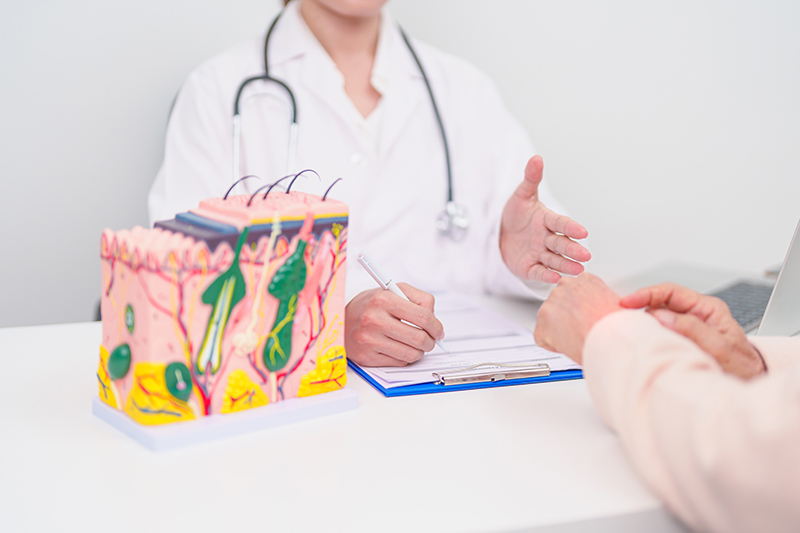
Seeking professional advice allows a dermatologist to evaluate the underlying causes of your skin changes. A thorough assessment can help identify whether hormonal factors, inflammation or other dermatological conditions are involved. Based on this evaluation, personalised treatment options can be recommended to help manage symptoms and support healthier skin over time.
Maintaining Healthy Skin With Specialist Assistance
Parts of your daily routine such as sleep, diet and sun exposure all play a significant role in maintaining healthy skin. Being aware of these lifestyle factors allows you to identify potential triggers and take steps to restore balance before minor issues develop into persistent skin concerns.
However, when skin changes do not improve despite lifestyle adjustments, professional evaluation may be helpful. At Dr SN Wong Skin, Hair, Nails & Laser Specialist Clinic, patients receive personalised dermatological care tailored to their specific skin concerns. Under the care of Dr Wong Su-Ni, our senior consultant dermatologist, patients can receive a thorough assessment and targeted treatment plan for conditions such as acne, eczema, pigmentation and other skin-related issues. Passionate about patient care, Dr Wong is dedicated to guiding each patient through a personalised and supportive skin health journey.
Contact us today to book an appointment.